
What is ATEX?
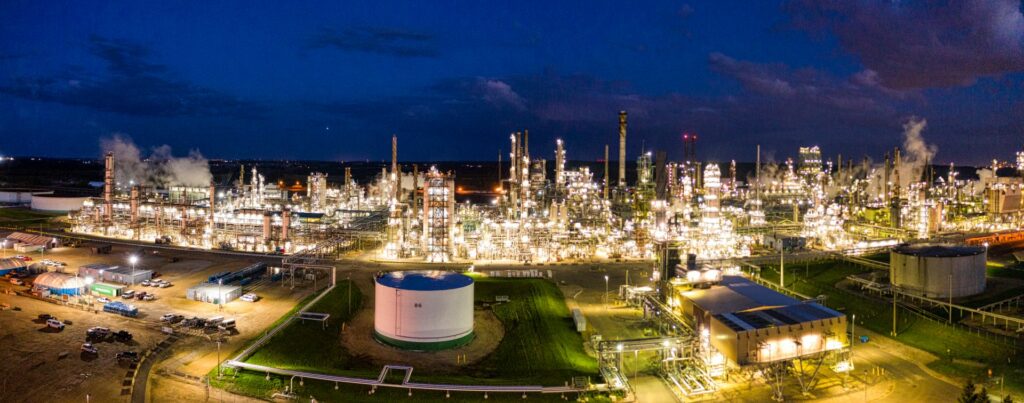
ATEX comes from the French ATmosphères EXplosibles (explosive atmospheres). An explosive atmosphere is a mixture of air, under atmospheric conditions, and flammable substances (gases, vapours, mists or dusts) in which, after ignition, combustion spreads to the whole mixture.
The explosion triangle
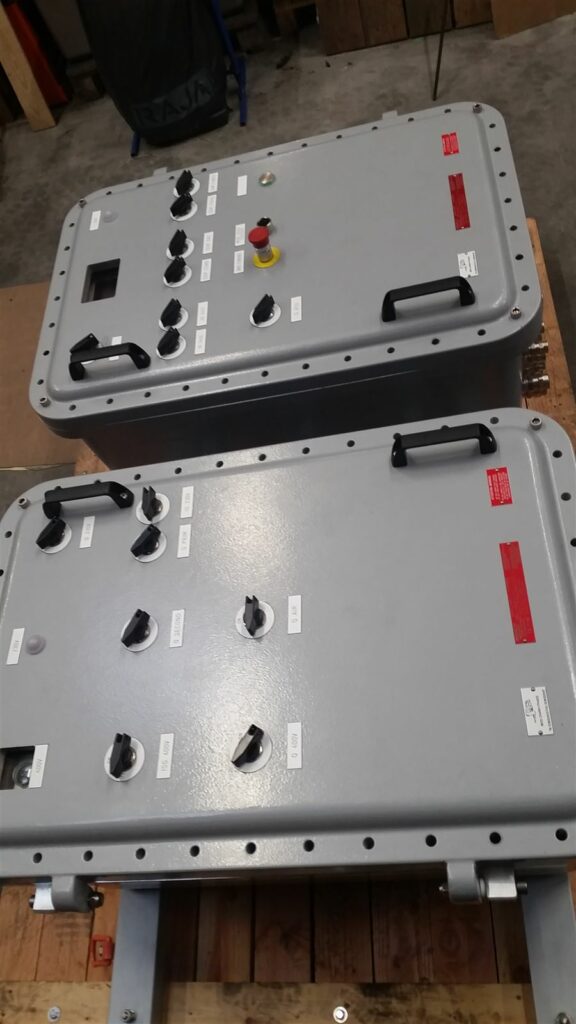
An explosion requires three elements at the same time:
- A fuel: gas, vapour, mist or dust, at a concentration between its lower and upper explosive limits.
- An oxidiser: the oxygen in the air.
- A source of ignition: spark, electric arc, hot surface, static electricity, mechanical impact.
ATEX equipment acts on the third element: it prevents the equipment from becoming a source of ignition.
Two European directives
| Directive | Applies to | Main obligations |
|---|---|---|
| 2014/34/EU | Manufacturers of equipment and protective systems | Design to the essential requirements, conformity assessment, CE and Ex marking, EU declaration of conformity |
| 1999/92/EC | Employers and site operators | Risk assessment, zoning, explosion protection document (EPD, DRPCE in France), selection of equipment suited to each zone |
In practice
The site operator classifies the site into zones. They then choose equipment whose category, group and temperature class match each zone. The manufacturer, such as Antidéflagrant Service, guarantees the compliance of this equipment through certification and a notified quality system.
Read also: Directive 1999/92/EC: the site operator’s obligations