
Preparing your ATEX study request: the checklist
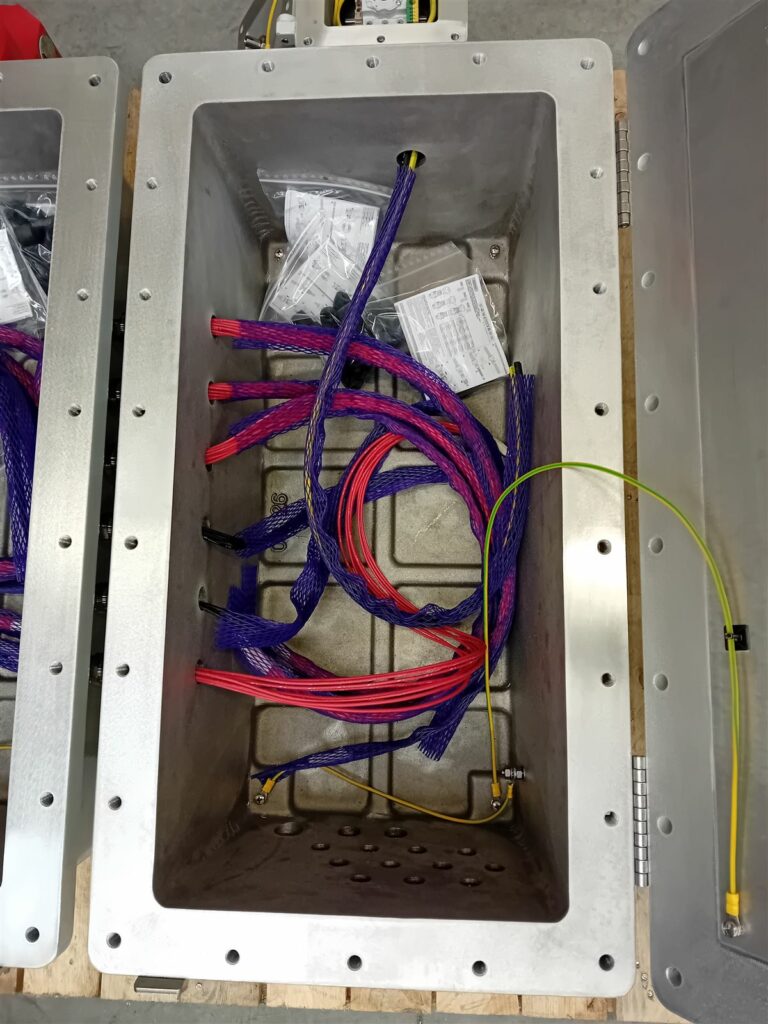
The more precise your request, the faster and more accurate our answer. Here is the information that lets us study your enclosure without back-and-forth.
The environment
- The zone: 0, 1 or 2 for gases; 20, 21 or 22 for dusts. See ATEX zones.
- The gas or dust group: IIA, IIB, IIB+H2, IIC; IIIA, IIIB, IIIC. If in doubt, tell us the substance present.
- The temperature class required (T1 to T6), or the maximum surface temperature for dusts.
- The ambient temperature on site, minimum and maximum, and whether the installation is indoors or outdoors.
- The atmosphere: corrosive, salty (offshore), humid, with high-pressure washing.
The equipment
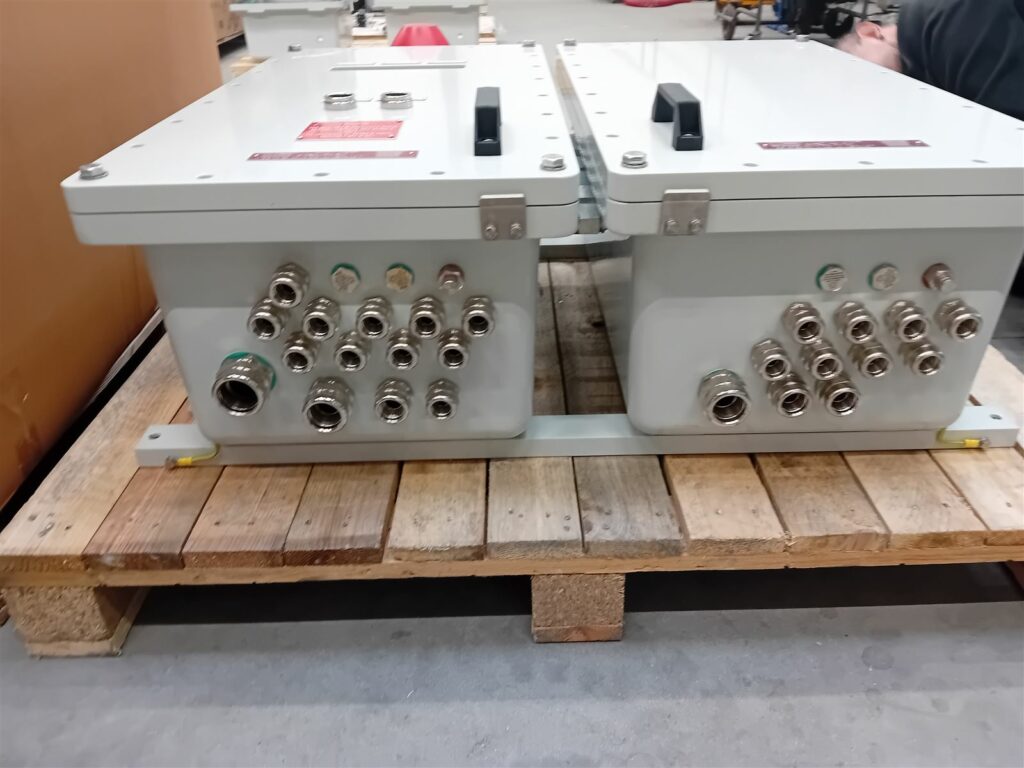
- The function: junction box, control station, distribution enclosure, motor starter, measurement enclosure…
- The components to fit: push buttons, indicator lights, terminal blocks, circuit breakers, PLC, HMI, with a wiring diagram if possible.
- The material you prefer: painted steel, 304 or 316L stainless steel, aluminium alloy, polyester.
- The dimensions or maximum overall size, and the mounting method.
- The cables: number, type (armoured or not), outer diameters. See choosing an ATEX cable gland.
The project
- The certifications required: ATEX, IECEx or others for export. See ATEX, IECEx and international certifications.
- Quantity, lead time and packaging: for example SEI 4C sea freight packaging for export. See packaging and shipping.
You don’t have all the answers?
That’s not a problem: send what you have. Our design office will help you fill in the rest.