
Choosing an ATEX cable gland
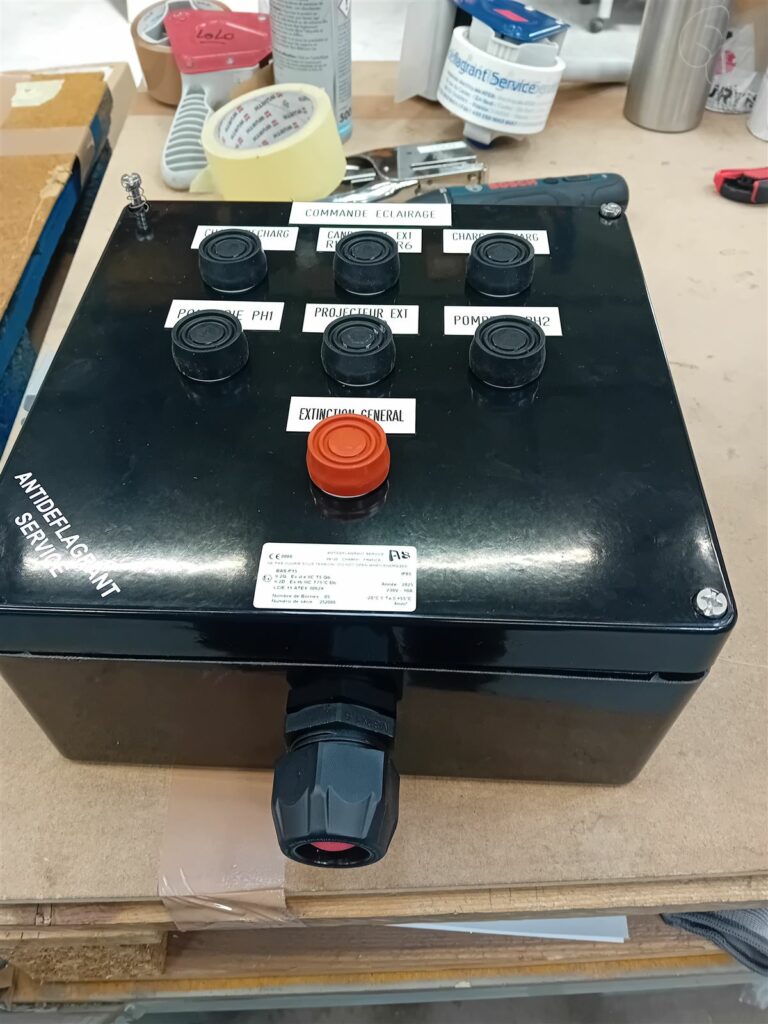
The cable gland is often chosen last, yet the compliance of the whole enclosure depends on it. An unsuitable cable gland can cancel out the enclosure’s type of protection.
- The enclosure’s type of protection
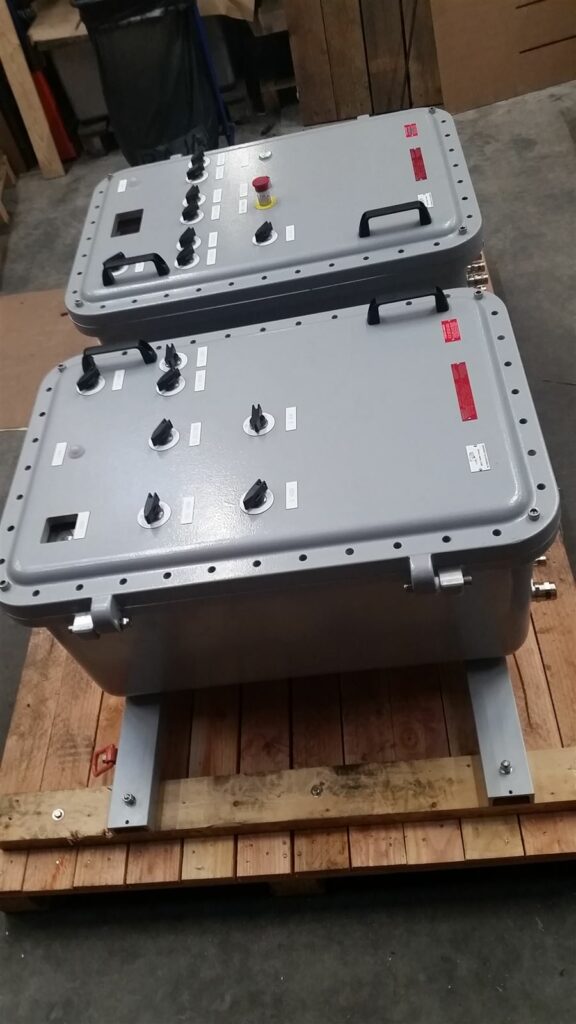
- On an Ex e enclosure, the cable gland must be Ex e certified and maintain the enclosure’s IP rating.
- On an Ex d enclosure, it must be Ex d certified: it is part of the flameproof enclosure and must withstand an internal explosion.
- Many cable glands are certified Ex d and Ex e at the same time, which simplifies purchasing.
- The type of cable
- Unarmoured cable: sealing on the outer sheath.
- Armoured cable (steel tape, braid, steel wires): the cable gland must also provide armour continuity and earthing.
- The cable diameter must fall within the cable gland’s clamping range. This is a common mistake on site.
- The barrier cable gland
For Ex d, the EN/IEC 60079-14 standard requires a barrier cable gland (with a compound filling) in some cases, in particular for group IIC or when the cable is not suited to preventing gas from travelling through its core.
- Thread and materials
- Thread: metric (M20, M25…), NPT or other, matched to the enclosure entries. A certified adaptor can make the transition, such as our Y2 adaptor.
- Material: brass, nickel-plated brass, 316L stainless steel for corrosive environments (offshore, chemicals), polyamide for some Ex e enclosures.
- Temperature: the service range of the seals must cover that of the site.
- Stopping plugs and accessories
Every unused entry must be closed with a certified stopping plug of the same type of protection. A plastic transport plug is not acceptable.
Our range
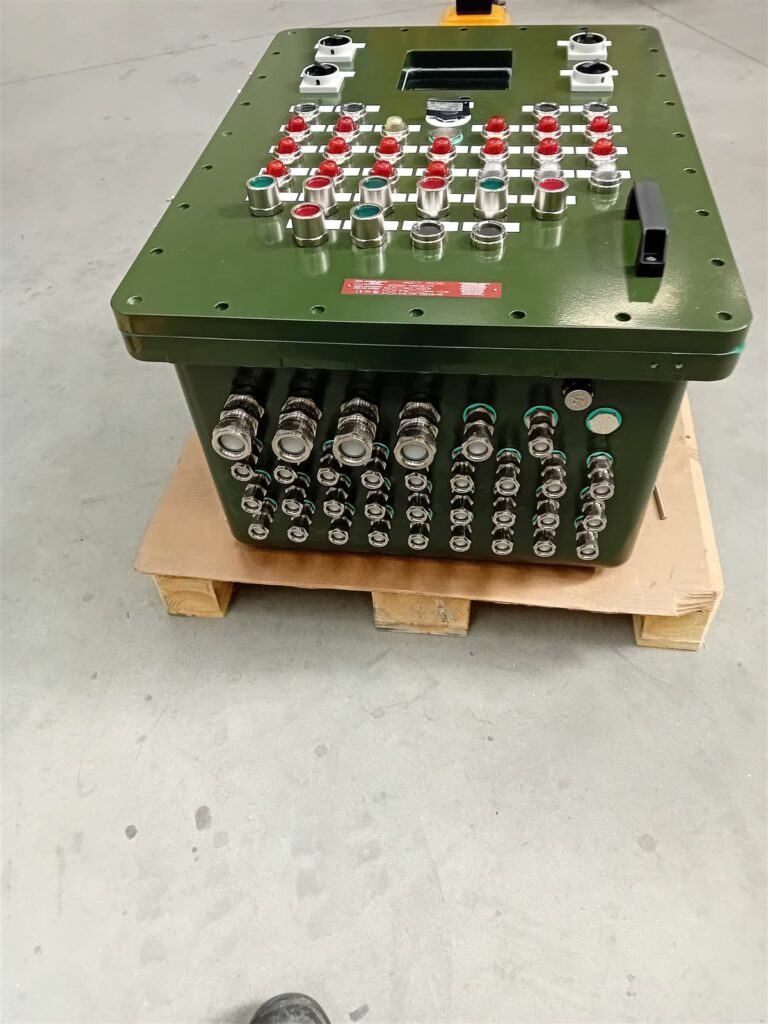
See our ATEX cable glands and accessories. During a study, we select and fit the cable glands suited to your cables: the enclosure is delivered ready to connect.