
ATEX zones
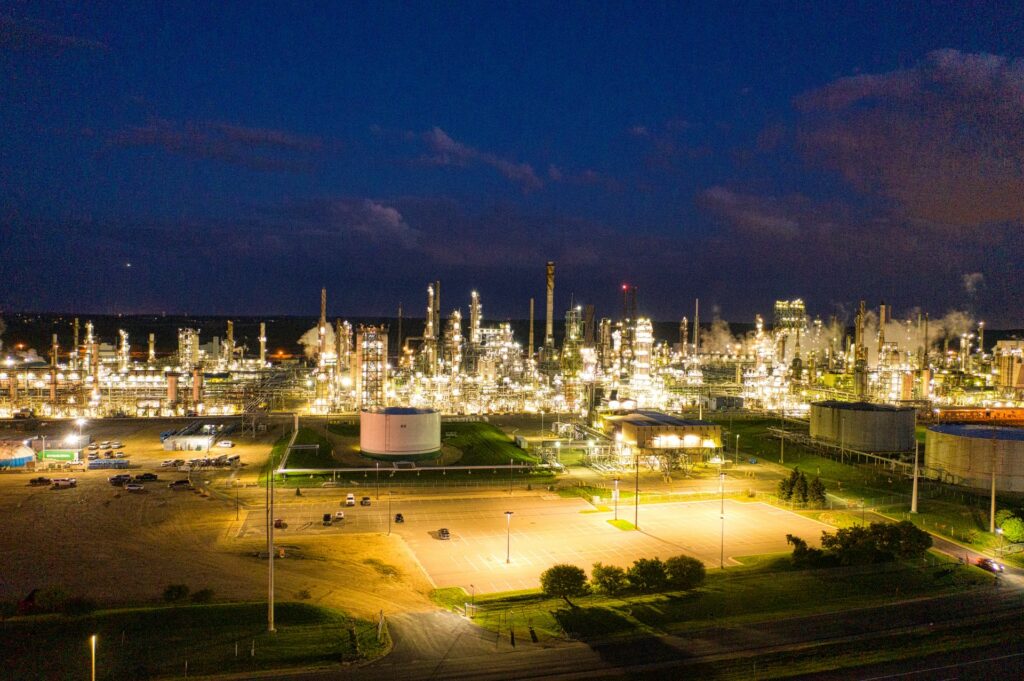
Zoning classifies areas according to the frequency and duration of the presence of an explosive atmosphere. It is carried out by the site operator, under Directive 1999/92/EC and the EN/IEC 60079-10-1 (gas) and 60079-10-2 (dust) standards.
Zone table
| Presence of the explosive atmosphere | Gases, vapours, mists | Dusts | Equipment category | EPL |
|---|---|---|---|---|
| Continuously, for long periods or frequently | Zone 0 | Zone 20 | 1G / 1D | Ga / Da |
| Occasionally in normal operation | Zone 1 | Zone 21 | 2G / 2D (or 1) | Gb / Db |
| Not likely in normal operation, or only for a short period | Zone 2 | Zone 22 | 3G / 3D (or 1, 2) | Gc / Dc |
Equipment of a higher category can be used in a less severe zone, for the same type of atmosphere (G or D), if its group and temperature are suitable: 2G equipment suits zones 1 and 2, not zone 21.
Our equipment and the zones
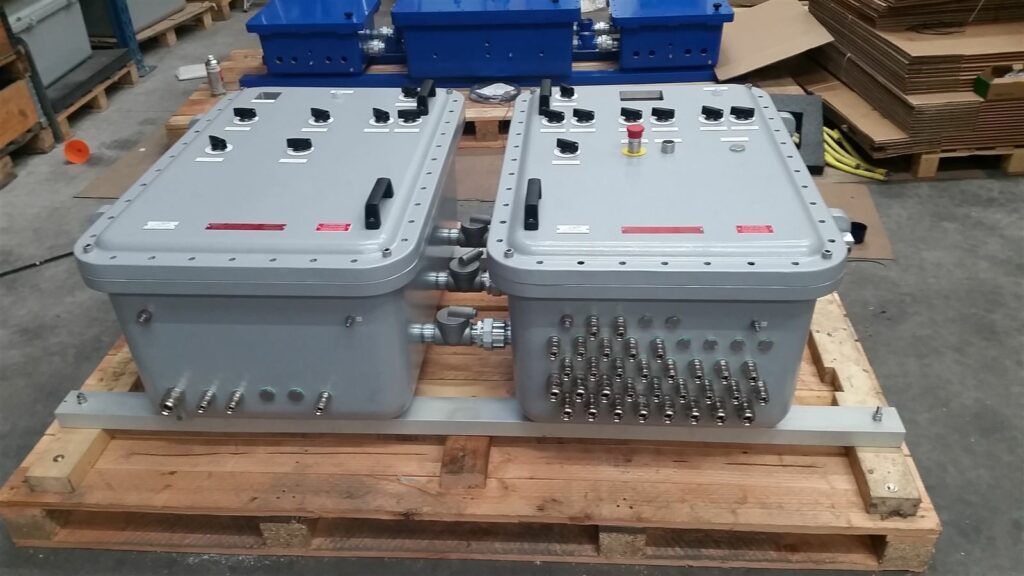
Our Ex d flameproof and Ex e increased safety enclosures are certified for zones 1, 2, 21 and 22, the most common areas in industry. View our products
Examples of zones
- Zone 0 : inside a solvent tank.
- Zone 1 : immediate surroundings of a filling point, a vent or a sampling point (indicative examples: zoning requires a study to EN/IEC 60079-10-1).
- Zone 2 : wider area around a zone 1, ventilated room where a leak would only be accidental.
- Zone 20 : inside a silo or a bag filter.
- Zone 21 : surroundings of a powder loading or bagging point.
- Zone 22 : room where dust deposits may form in the event of a malfunction.
Read also: Zones 20, 21 and 22: ATEX for dusts